
Configuring and Employing Two-Step Verification
2FA introduces a additional check at login, and I activate it before I make a deposit. In the account security area I select the authenticator app method. I scan the QR code with Google Authenticator or Authy, then input the six-digit code to verify pairing. Slotexo also offers backup codes. I keep them offline in a password manager and in a sealed envelope at home. I never hold backup codes only on the phone I use for authentication. App-based codes operate without mobile signal, which is why I favor them to SMS. After setup, each login requires my password and a fresh thirty-second code. If a code is declined, I verify the device clock and resync the app. I also review active sessions and remove devices I no longer use. That maintains the second factor under my control at all times.
- Navigate to Security or Account settings and choose two-factor authentication.
- Opt for the authenticator app method and scan the QR code.
- Enter the generated code to confirm pairing.
- Store backup codes offline, not only on the authentication device.
If I lose access to the authenticator app, I use one backup code at login. Each code is valid once, so I create a fresh set immediately afterward. If I misplace both the phone and the backup codes, I contact Slotexo support. They ask me demonstrate identity with verification documents again and may impose a short cooling-off period before disabling 2FA. I acknowledge that delay because it blocks someone with only my password from circumventing the second factor. I never transmit backup codes by email or chat. I also steer clear of capturing the QR code during setup. When I replace my phone, I deactivate 2FA from the old device first, then connect the new one. If I cannot reach the old device, I enter a backup code and reset the pairing. This small extra step at each login protects my balance and personal data far better than a password alone.
How to Set Up a New Account at Slotexo Casino
I begin registration from the French Slotexo Casino page in a private browser window so cached data can’t interfere. The form requests my full legal name, date of birth, home address, email, mobile number, password, and preferred currency. Every field has to match my identity documents because the casino verifies this data during verification. I skip nicknames, abbreviations, and missing apartment numbers. A valid mobile number is mandatory for security codes, and the email must be one I can access immediately. I select a password of at least twelve characters with mixed case, numbers, and symbols. Optional marketing boxes can stay unchecked. Before I submit it, I re-read each line and compare it with my ID. This small check prevents most delays later. The form normally takes under three minutes when my documents are nearby. I keep the page open until the confirmation appears.
After I send the form, Slotexo sends an activation link to my email https://slotexo-casino.net/fr-fr/login/. I review the inbox, spam, and promotions folders because automated messages are sometimes filtered. The link confirms that I own the address and activates the account. I tap it within the stated time, then log in for the first time. Most features remain restricted until KYC is complete, but I can still review the lobby and deposit limits. I do not omit the phone field; the casino may utilize that number for one-time codes or security checks. If a field is unclear, I launch live chat before guessing. I never employ another person’s details or a temporary email address. After activation, I configure my deposit limit and examine the responsible gambling tools. With details ready, registration and first login normally take less than five minutes. That routine maintains the account clean from the start.
Fixing Common Login Errors and Access Issues
When login fails, I first check the exact error message. “Invalid email or password” usually means Caps Lock, a keyboard language switch, or a hidden space from auto-fill. I type the password into a plain text editor, copy it, and paste it into the field. After several failed attempts, Slotexo may lock the account for fifteen to thirty minutes. I pause rather than retrying repeatedly. A geo-block can appear if I use a VPN or travel outside France; I disconnect the VPN and confirm my IP location. If the CAPTCHA does not load, I refresh without submitting or try another browser. I also clear cookies for the casino domain. These checks separate credential mistakes from network and browser faults. I record the message and the time so support can trace the failed attempt if I need to ask for help.
- Wrong credentials: check Caps Lock, keyboard language, and the typed email address.
- Transient lockout: wait fifteen to thirty minutes before trying again.
- Location block or VPN: disconnect the VPN and confirm the IP address is in France.
- CAPTCHA failure: refresh without submitting or switch browsers.
- Browser cache: clear cookies for the casino domain or use a private window.
- Network issue: switch between Wi-Fi and mobile data to isolate the fault.
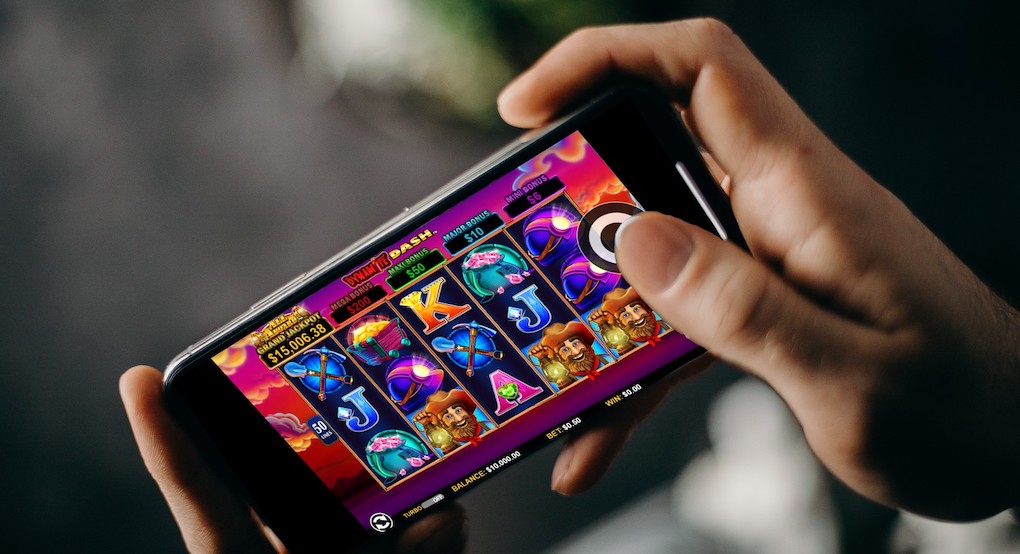
If the login button does nothing, I treat it as a local browser problem. I clear cache and cookies for the Slotexo domain, close the browser, and reopen it. If that fails, I try a different browser or a private window. Ad-blockers and privacy extensions can block login scripts, so I disable them for the casino site and test again. An outdated browser or operating system can also break security protocols, so I install pending updates. If none of this works, I contact support with the error text, browser name, device type, and the steps I already tried. Support can check server-side logs for IP blocks or account flags that I cannot see. I never send my password in a support message. I ask for a ticket number and keep the reply in my account records always for future reference.
Resetting a Forgotten Password One Step at a Time
On the login page I click “Forgot your password?” below the password field. The form prompts for my registered email address. I enter it slowly and check for typos before submitting. Slotexo delivers a reset email with a time-limited link. I examine spam and promotions folders after five minutes. I follow the link as soon as it arrives because it commonly expires within one hour. If it expires, I redo the request. On the reset page I set up a new password of at least twelve characters with mixed case, numbers, and symbols. I steer clear of names, birth years, and reused passwords. I confirm the new password and log in again. If no email arrives, I verify the address matches my registration and include the sender to my contacts. If that fails, I get in touch with support and supply identity proof for manual review.
The Standard Login Procedure for Registered Players
On the French Slotexo login page I enter my registered email and password manually. I skip browser auto-fill because saved strings can contain an extra space or an outdated password. The page may show a CAPTCHA; I mark the box or complete the image puzzle. If it doesn’t to load, I update without submitting the form. After I hit login, the system validates my credentials and launches the lobby. The first login of the day can require a few seconds while a secure session starts. I never keep an active session open on a shared computer. The “Remember me” option is handy only on my own locked devices. If I see an “account already in use” warning, I sign out everywhere, update my password, and review recent login history. That routine maintains access predictable and minimizes avoidable lockouts for me.
Slotexo enables one account across desktop, tablet, and smartphone, but I treat each device as a separate risk. On my phone I use a screen lock and biometric protection. On public Wi-Fi I steer clear of logging in unless I must, and I sign out as soon as I finish. The session timeout is a protective feature; when it ends, I simply authenticate again. I do not reveal my password with anyone, including someone claiming to be support. Slotexo staff never require my password to assist me. If I utilize a password manager, I confirm that it fills the correct domain before I send. I also check the browser address bar for the official French domain and a secure connection. A bookmark I created myself is more secure than a search result or an unsolicited link. These habits render the standard login routine boring in the best way: predictable, quick, and easy to audit.
Handling Your Account and Staying Safe After Login
After login I review my balance, recent transactions, and login history. The session log displays date, time, and IP address. If I spot an unfamiliar device or location, I update my password, enable 2FA, and use “log out of all devices.” I check active sessions whenever I use public Wi-Fi or replace my phone. In the responsible gambling area I configure daily, weekly, or monthly deposit limits. I also activate a reality check pop-up to monitor session length. If I want a break, I utilize the self-exclusion function for a defined period; it stops login and stops promotional messages. These tools do not affect verification or withdrawals of existing funds. I adjust them before I start, not after a loss. I also keep my email address current so security alerts arrive at me. If I modify my phone number, I update it in the profile before I require a one-time code. I never share account screenshots that show my balance or personal details. I log out manually after each session, even when the timeout will eventually finish it. These habits maintain the account easy to audit and minimize the chance of a preventable lockout.
Finishing the KYC Verification Process
KYC is a regulatory requirement for regulated French online casinos, so I get ready for it before my first withdrawal. After login, the dashboard shows a verification tab. I submit a colour copy of a acceptable passport, national ID card, or driving licence. The document must show my full name, date of birth, photograph, and expiry date. I also supply a proof of address dated within the last ninety days: a utility bill, bank statement, or tax letter. If I utilize a card or e-wallet, Slotexo may request a payment method screenshot. I hide middle card digits and show only the first six and last four, observing the on-screen instructions. I use a scanner or a well-lit phone photo that shows all four corners. Cropped or blurry files are the most common reason for rejection. I keep file sizes within the upload limit and use PDF or JPEG where accepted.
- Valid passport, national ID card, or driving licence, including both sides where applicable.
- Utility bill, bank statement, or tax letter provided within the last ninety days.
- Payment method proof: card photo or e-wallet screenshot displaying my name.
- Selfie holding my ID when liveness confirmation is requested.
The review team usually answers within twenty-four to forty-eight hours, though quiet periods can be faster. If a file is rejected, I check the email carefully. Common causes are glare, an expired document, or a name mismatch between my ID and registration. I resolve one issue at a time and upload a fresh file rather than resending the same image. I do not crop the document edges because automated checks may flag an incomplete image. Until approval, I can game with deposited funds, but withdrawals stay locked. I hold my documents ready before I deposit so I never feel pressure to chase a pending review. If support asks for extra proof, I give only what is requested and keep the conversation in the account’s message centre. Once approved, I check that my withdrawal limits and payment methods match my verified details.